Precious metals: From timeless elegance to modern wonders
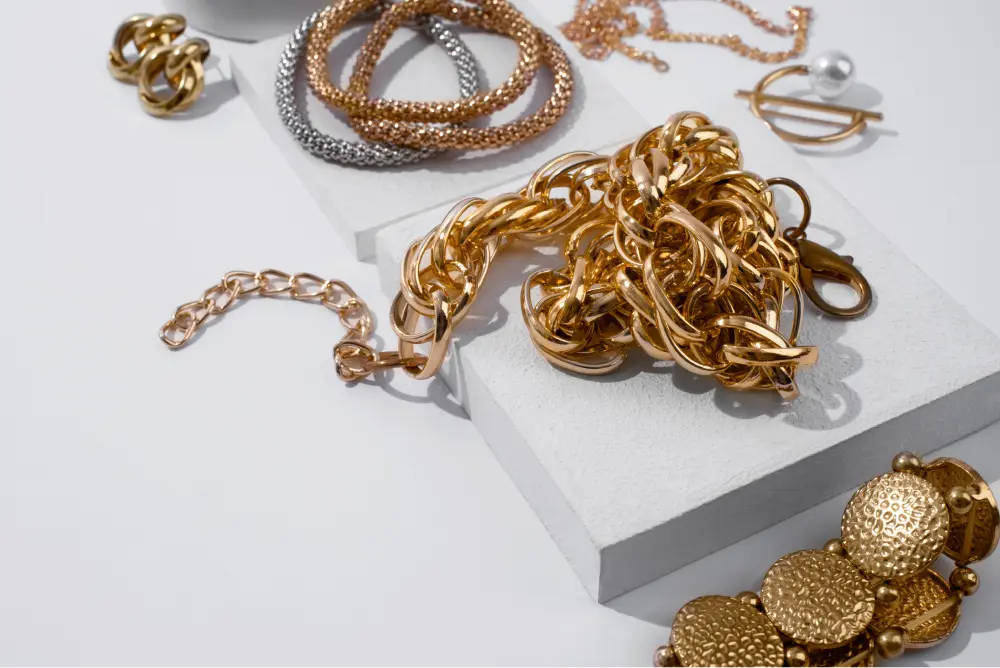
Precious Metals: From Timeless Elegance to Modern Wonders
Throughout history, people have been fascinated by the allure of precious metals. Their enduring beauty, rarity and inherent value have made them not only objects of desire, but also symbols of wealth and prosperity. Gold, silver and platinum are the most sought after of these metals. In this article, we embark on a journey into the fascinating world of precious metals, exploring their unique properties, historical significance and role in modern society.
The Cosmic Elegance of Gold
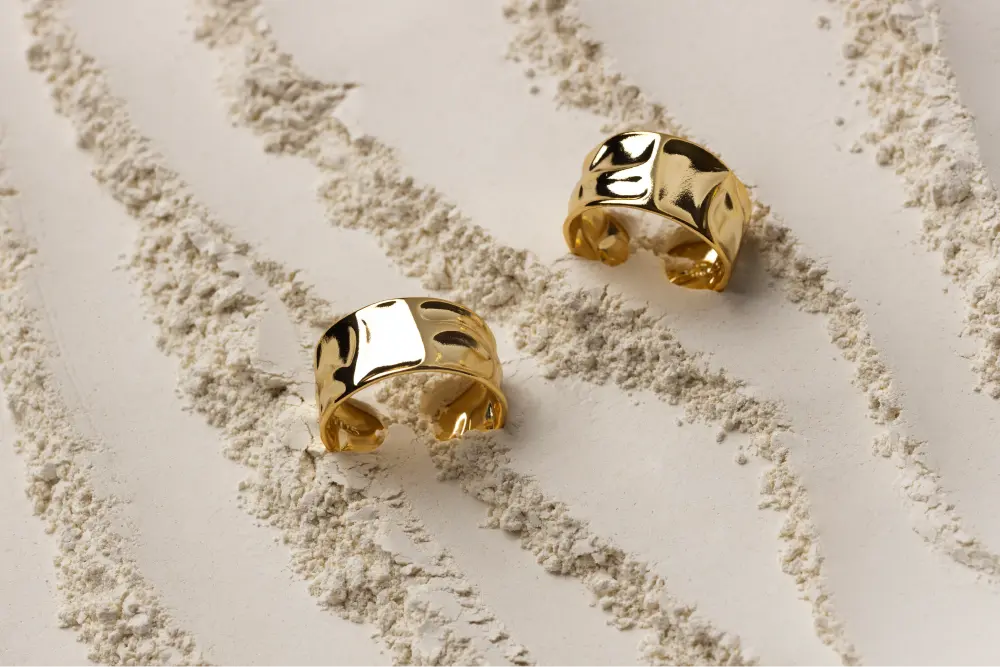
The cosmic elegance of gold, a chemical element with the symbol Au (from the Latin "aurum"), is a dense, soft and malleable metal with a distinctive yellow color. It has a long history of use in artistic and decorative spheres, dating back thousands of years. Because of its beauty and rarity, gold is cherished by various civilizations, and its value as a symbol of wealth and power is unparalleled.
Gold, often called the "king of metals", has been revered for millennia. Its golden hue adorns the crowns of rulers and the finest jewels, symbolizing luxury and power. Gold's beauty and malleability make it an ideal material for creating intricate ornaments, coins and artifacts.
In addition to its aesthetic appeal, gold's value lies in its rarity. It is one of the rarest elements on earth and its limited supply has made it a reliable source of wealth for centuries. Investors often turn to gold as a hedge against inflation and economic uncertainty, a role that remains relevant in today's financial landscape.
- Interesting fact: Gold is so malleable that an ounce of it can be hammered into a thin sheet of about 100 square feet or can be drawn into a wire more than 50 miles long.
- More about gold: If you are interested in a deep dive into the historical significance and cultural impact of gold, along with its fascinating applications in various sectors, readers can explore our article "The Enduring Allure of Gold: From Ancient Treasures to Modern Marvels."
The Versatility of Silver
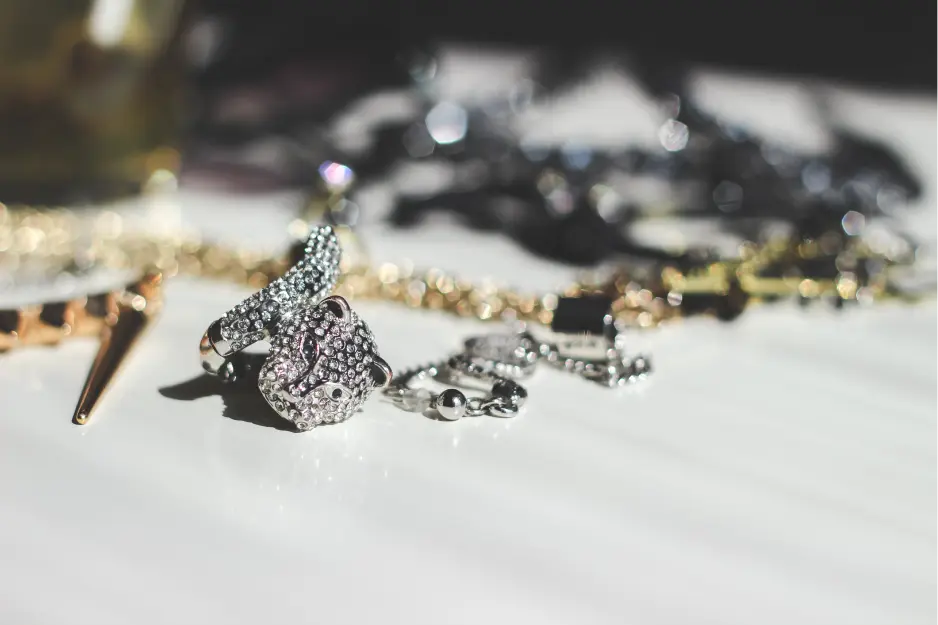
Silver, represented by the chemical symbol Ag (from the word "argentum"), is a shiny white metal with high reflectivity. It is praised for its aesthetic appeal, leading to its widespread use in jewelry, cutlery and decorative items. Throughout history, silver has also served as a form of currency in many societies and played a key role in international trade.
Although silver does not have the same prominence as gold, it has its own charm and practical applications. Its brilliant white sheen and availability make it a popular choice for jewelry, cutlery and household items. Like gold, silver has been used as currency throughout history, and its role in monetary systems continues in some parts of the world.
- Interesting fact: Silver has the highest electrical conductivity of all metals, making it an essential component in high-performance electronic and communication systems.
- More about silver: If you are interested in the unique properties of silver and its role in shaping our modern technological landscape, you can delve deeper into our article "Silver: The Shiny Metal Powering the Digital World and Beyond."
The Purity and Rarity of Platinum
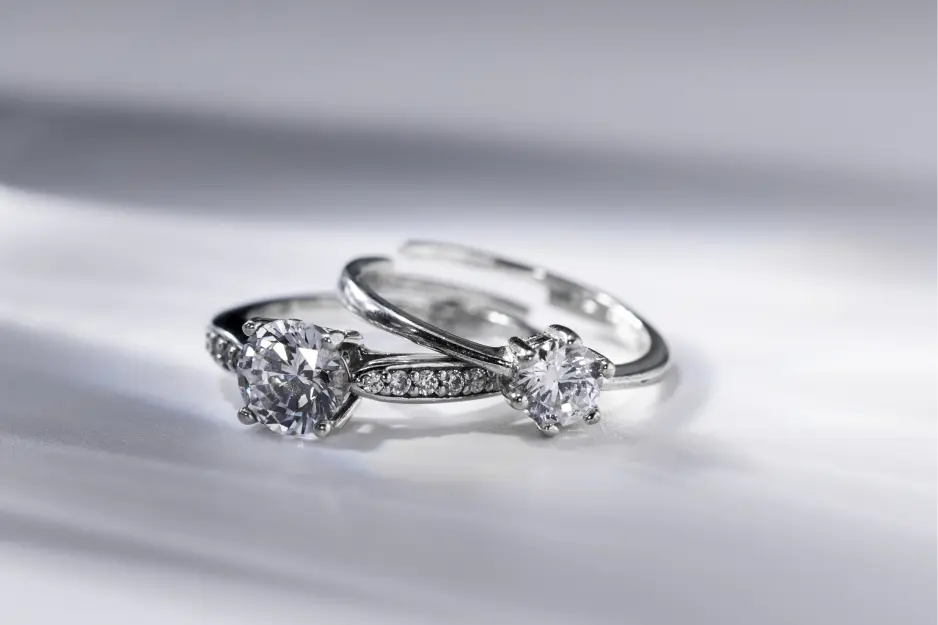
Platinum, represented by the chemical symbol Pt, is a dense, silvery-white metal that was first identified and used by ancient cultures in South America. However, it was not until the 18th century that platinum gained recognition in the Western world. Its resistance to tarnishing and corrosion, along with its beautiful appearance, has made it a sought-after material for luxury jewelry, especially engagement rings and luxury watches.
Although the discovery and use of platinum is relatively recent, its rarity and unique properties have earned it a prestigious status. Platinum is exceptionally dense, durable and corrosion resistant, making it ideal for jewelry and various industrial applications. One of the defining characteristics of platinum is its purity. Unlike gold, which is often alloyed to increase durability, platinum is usually used in its pure state. This purity, combined with its rarity, makes platinum one of the rarest and most valuable precious metals on earth.
- Interesting fact: The density of platinum is so high that a five-ounce block of platinum would weigh more than an adult rhino!
- More about platinum: Dive into the world of platinum's elegance and power and its critical applications in industries such as the automotive and medical industries, in our detailed article "Platinum: Unveiling the Metal of Precision and Progress."
The appeal of precious metals such as gold, silver and platinum continues through time and cultures. Their intrinsic beauty, rarity and applications solidify their place in human history and society. While gold remains a symbol of wealth and power, silver and platinum have found their place in technology and industry, shaping our modern world in their own unique ways.
As we admire the ingenuity of these metals, it is important to recognize the delicate balance between their scarcity and demand and to respect their significance and environmental impact. By understanding the beauty and value of these precious metals, we can appreciate their contributions to our lives and preserve their legacy for future generations to cherish.